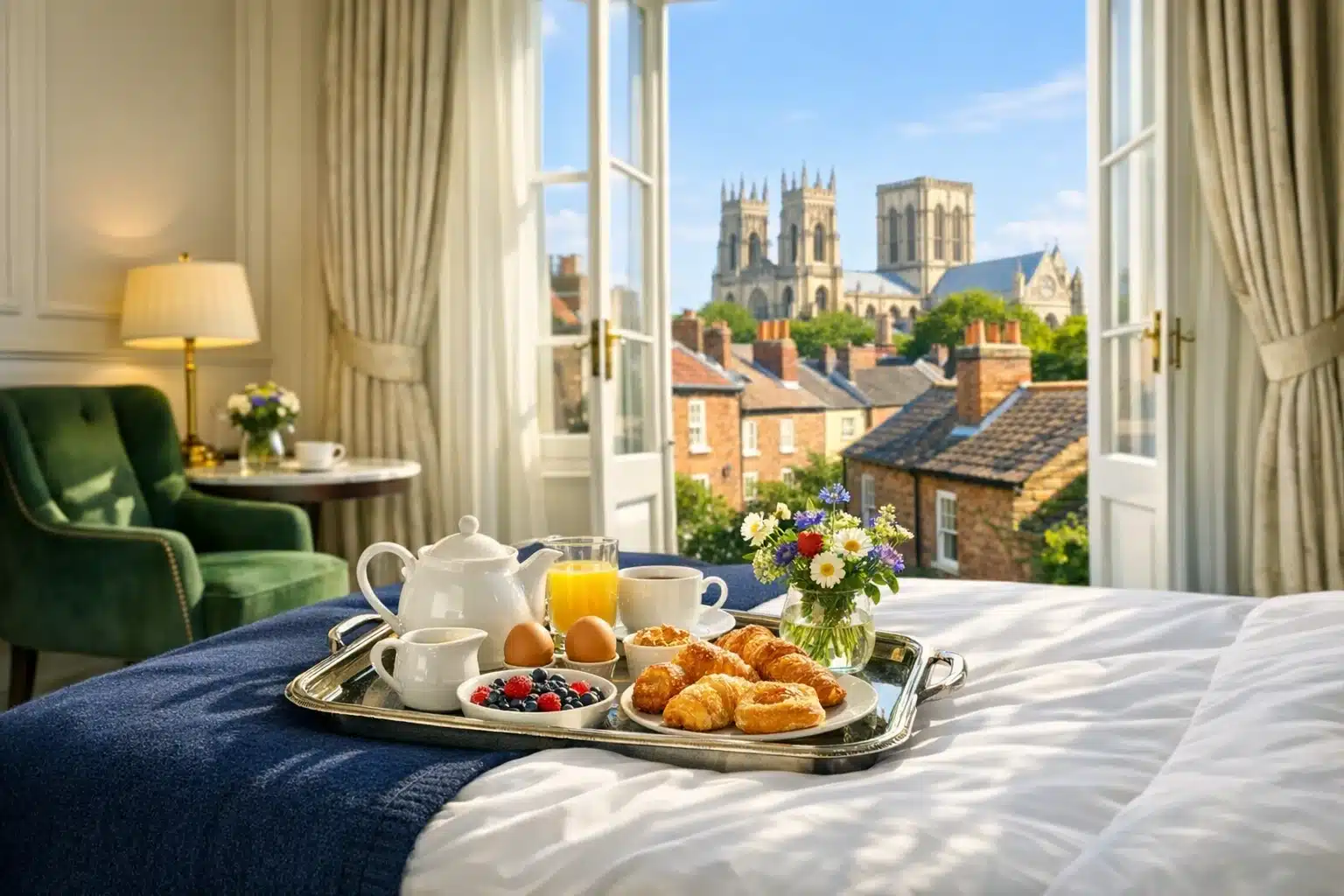
 Artificially generated image
 3-Night All-Inclusive Hotel Stay in York: What to Expect
Few English cities suit a short escape as naturally as York. In just three nights, visitors can sleep inside old stone walls, hear cathedral bells roll across crooked lanes, and still leave room for tea breaks, museum visits, and an unhurried evening meal. That balance matters, because the city’s appeal lies not only in famous landmarks but also in how smoothly a compact, comfortable stay can fit into a busy schedule.
Outline
- What travelers usually get in a three-night York hotel package
- How hotel style influences comfort, convenience, and value
- Which historic attractions shape most first-time and repeat visits
- How to pace a short break without making it feel crowded
- What to compare before booking, especially for couples, families, and solo guests
What “All-Inclusive” Usually Means in a 3-Night York Stay
The phrase all-inclusive can sound simple, but in York it often means something more modest than the resort model many travelers imagine. This is a historic city break destination, not a coastal complex built around unlimited dining and nonstop activities. In practical terms, a three-night package in York usually centers on accommodation plus selected extras. Those extras might include breakfast each morning, one evening meal, a welcome drink, discounted parking, late checkout, or tickets to a local attraction. Some higher-end hotels add spa access or a dining credit, while smaller boutique properties may focus instead on thoughtful touches such as artisan toiletries, locally sourced breakfast ingredients, and a more personal check-in experience.
For many visitors, the most common package structure is bed and breakfast for three nights. That format suits York well because the city center is full of pubs, tearooms, and restaurants, allowing guests to explore rather than remain tied to one dining room. Hotels near the station or within the city walls frequently market short-break offers that combine room nights with seasonal benefits. Around Christmas, for example, some stays include festive menus or mulled wine on arrival. In spring and summer, packages may lean toward attraction passes, garden views, or riverside upgrades.
- Room accommodation for three nights
- Breakfast included each morning
- Wi-Fi, tea and coffee facilities, and housekeeping
- Possible dinner credit or one included evening meal
- Optional add-ons such as parking, prosecco, spa time, or attraction entry
Travelers should also look closely at what is not included. Parking in central York can add a noticeable daily cost, and older properties sometimes charge separately for extras that modern chains bundle into the rate. Check-in around 3 p.m. and checkout around 11 a.m. remain common, though some packages offer flexibility. When comparing deals, the smartest question is not whether a stay sounds luxurious, but whether the included features match how you actually plan to spend the trip. If you will be out exploring most of the day, breakfast, a quiet room, and a good location may matter more than a long list of add-ons that look impressive in marketing copy but add little real value.
How Accommodation Style Shapes Comfort Over Three Nights
A single overnight stay can hide a hotel’s weaknesses. Three nights usually reveal them. That is why comfort becomes more important on a short getaway than many travelers expect. York offers an appealing mix of accommodation styles: medieval inns with uneven floors and exposed beams, elegant Georgian townhouses, modern chain hotels with predictable layouts, riverside properties with broader views, and country-house hotels a short drive from the center. Each style creates a different rhythm for the trip.
Historic properties often win on atmosphere. Staying in a centuries-old building can make the city feel immediate, as if the break begins the moment you step across the threshold. Yet charm sometimes comes with trade-offs. Rooms may be smaller, air conditioning may be absent, staircases may be steep, and sound insulation may be lighter than in a newer building. For some travelers, that is part of the appeal. For others, especially families with luggage, older guests, or anyone sensitive to street noise, a modern hotel near York Station may be the wiser choice. The station area is still within easy walking distance of the center, and many properties there offer lifts, larger bathrooms, stronger climate control, and simpler access for prams or mobility needs.
Comfort also depends on how you use the room between sightseeing sessions. Over three nights, visitors often appreciate features that barely matter on a business stop:
- A supportive mattress and decent pillows after long days on foot
- A reliable shower with good water pressure
- Blackout curtains for summer mornings
- Somewhere to sit other than the bed
- Fast breakfast service before a full day out
Location changes the experience as much as the room itself. Hotels inside the walls place guests near landmarks, evening walks, and restaurants, which can reduce transport costs and save time. Properties outside the core often provide more space and better rates, though they may require a bus, taxi, or longer walk at the end of the day. York’s compact center means many key sights are reachable on foot in 15 to 20 minutes, so the ideal choice depends less on distance alone and more on whether you prioritize atmosphere, convenience, accessibility, or quiet. A good three-night stay is not just about sleeping well. It is about having a room that supports the pace of the whole trip.
Historic Attractions Travelers Commonly Explore in York
York’s strongest advantage as a short-break destination is density. Major attractions sit close enough together that visitors can cover a great deal without constant transport planning. The city feels layered rather than sprawling, which is perfect for a three-night visit. One street may hold a Viking story, the next a medieval church, and around the corner a Georgian facade or railway landmark. That concentration helps travelers build full days without exhausting themselves.
Explore 3-night York hotel stay trends with insights on accommodations, local attractions, comfort features, and travel experiences.
For first-time visitors, York Minster is usually the anchor. Its scale dominates the skyline, and the building rewards both quick admiration and slower exploration. The Shambles, with its famously narrow medieval street frontage, remains a regular stop for photos and wandering, though early morning is often more pleasant than peak afternoon. The City Walls provide one of the best ways to understand York’s layout; walking sections of them gives a clear sense of how the historic center is stitched together. Clifford’s Tower adds panoramic views and a strong Norman connection, while the JORVIK Viking Centre brings the city’s Norse history into sharper focus through interpretation designed for general audiences.
Travelers with broader interests often add museums and gardens to balance the medieval core. The National Railway Museum is especially useful for mixed-age groups because entry is generally free, the site is large, and the subject matter appeals beyond dedicated rail enthusiasts. Museum Gardens, Treasurer’s House, Fairfax House, and the Yorkshire Museum can turn a rushed itinerary into a richer one by introducing quieter spaces between headline sights.
- For architecture: York Minster, St Mary’s Abbey ruins, city gates
- For storytelling: JORVIK Viking Centre, York Dungeon, guided walks
- For views and atmosphere: City Walls, Clifford’s Tower, riverside paths
- For families: National Railway Museum, interactive exhibits, open green spaces
The most satisfying approach is usually selective rather than exhaustive. Two major attractions in a day, plus time for wandering, often feels better than racing through six ticketed stops. York is a city that rewards looking up, slowing down, and leaving room for small discoveries: a snickelway, a second-hand bookshop, a pub glowing softly in late afternoon. Those moments are not filler. They are part of why the place stays with people after the weekend ends.
Hotel Comfort and the Shape of a Short Getaway
A three-night break works best when the hotel and the itinerary support each other. In York, that usually means avoiding the temptation to cram every hour. The city lends itself to a gentle but full rhythm: arrival on the first afternoon, a meal and evening stroll, two complete sightseeing days, then a final morning for one last museum, market visit, or riverside walk before departure. When travelers pace the trip well, comfort becomes part of the memory rather than a background detail.
Imagine the flow of a typical stay. You arrive, drop your bags, and head out while the light still catches the stone buildings. After dinner, maybe you walk toward the Minster or along the walls, seeing the city in a quieter mood than the daytime crowds allow. The next morning begins with breakfast, and that simple hotel service suddenly matters: a rushed buffet line can drain energy, while a calm dining room sets the tone for the day. By afternoon, after museums and miles of cobbled streets, a well-designed room offers a useful pause. Even a short rest, a hot shower, and a comfortable chair can make the evening feel open rather than tiring.
Different travelers use that comfort in different ways. Couples often value atmosphere, privacy, and easy access to evening dining. Families tend to focus on room size, breakfast practicality, and straightforward logistics. Solo travelers may prioritize safety, central location, and staff who know the city well enough to suggest a walk, café, or less crowded museum slot. In every case, the hotel shapes the emotional temperature of the trip.
- A central location saves time and reduces end-of-day fatigue
- Quiet rooms matter in a city with lively weekend streets
- Flexible breakfast hours help guests start at their own pace
- Small extras such as luggage storage can improve the final day
York also handles bad weather well, which is important for short getaways. Rain can push visitors toward museums, tearooms, historic interiors, or a long lunch instead of outdoor wandering. A good hotel supports that flexibility through warm common areas, efficient service, and local knowledge. The best short breaks rarely feel nonstop. They feel smooth. In York, smoothness often comes from staying somewhere that lets you return tired, reset quickly, and step out again ready for another chapter of the city.
Choosing the Right Stay and Final Advice for York Weekend Travelers
When booking a three-night York hotel stay, value is not just the lowest headline price. It is the balance between location, comfort, included meals, cancellation terms, and the kind of trip you want to have. A cheaper room outside the center may be excellent if you prefer space, parking, and a quieter night. A pricier hotel inside the walls may prove worth it if you want to walk everywhere and make the most of limited time. Because York is popular year-round, rates often rise during school holidays, Christmas market season, race days, and major local events. Booking early helps, but so does reading what is actually included.
Before committing, travelers should compare a few practical points instead of relying on glossy photography alone. Ask whether breakfast is full cooked service or a lighter continental spread. Check if the room has air conditioning, especially for summer stays in historic buildings. Confirm parking arrangements, because city-center access can be less straightforward than it first appears. If mobility is a concern, verify lift access and room placement rather than assuming all hotels have step-free layouts. Families should look closely at sofa beds, adjoining room options, and children’s meal policies. Couples planning a celebratory break may want dinner included, but they should still check whether the menu is fixed or flexible.
- Does the rate include breakfast every morning?
- Are parking, spa access, or attraction tickets extra?
- How far is the hotel from the station or city walls on foot?
- Is the building modern, historic, or a mix of both?
- What is the cancellation policy if plans change?
For the target traveler, the good news is simple: York suits short breaks exceptionally well. If you want history without needing a car, strong food options without endless planning, and enough atmosphere to make three nights feel fuller than they are, the city delivers. The best stay is the one that matches your pace. Choose a hotel that makes mornings easy, evenings restful, and sightseeing convenient, and York will do the rest with its towers, lanes, stories, and steady sense of place.