These Are the Birthstone Necklaces People Are Choosing This Season
Birthstone necklaces sit at a sweet spot between sentiment and style, which is why they keep appearing in gift guides, jewelry edits, and daily wardrobes alike. A single stone can mark a birthday, a family bond, or a private milestone without feeling overly formal. This season, shoppers are looking beyond sparkle alone and asking a simpler question: will this piece work with real life, from busy mornings to quiet dinners?
Outline
• How seasonal birthstone necklace trends are shifting toward meaning, comfort, and versatile design • Why birthstone jewelry carries emotional and cultural significance beyond a calendar month • Which necklace styles are easiest to wear every day and why practical details matter • How popular settings, materials, and stone choices compare when style meets routine use • What shoppers and gift givers should keep in mind before making a final choice
Why Birthstone Necklaces Are Trending This Season
Birthstone necklaces are not new, but the reasons people are choosing them right now feel noticeably more personal. Jewelry trends often swing between bold statement pieces and quieter staples, and this season the mood leans toward pieces that say something without shouting. A birthstone necklace answers that mood neatly. It is compact, easy to layer, and rich with meaning even when the design is simple. Many shoppers are also moving away from occasion-only jewelry and toward items they can wear repeatedly, which makes necklaces with a modest pendant or a clean stone setting especially appealing.
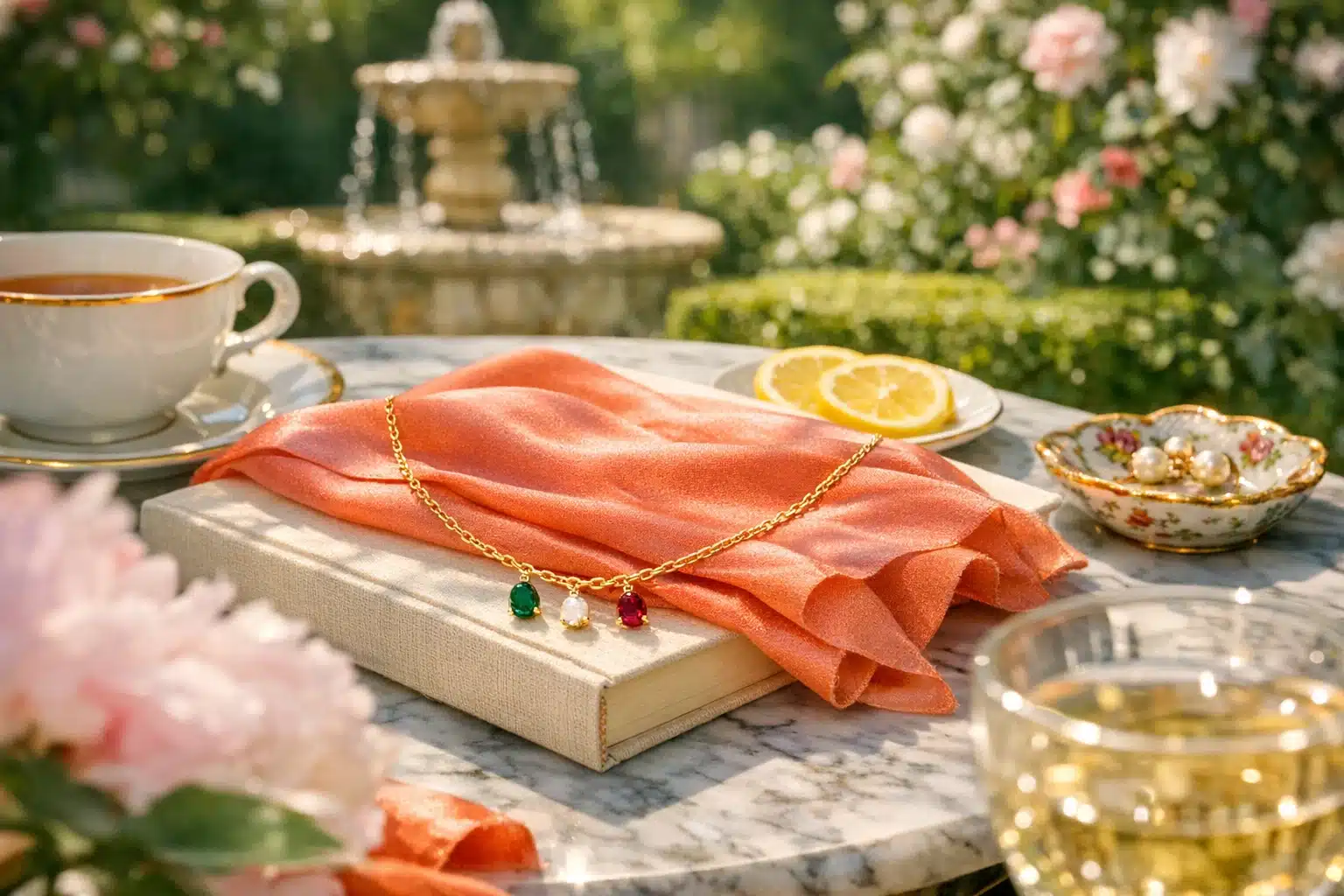
An overview of birthstone necklaces people are choosing this season, focusing on personal meaning, design preferences, and wearability.
Across retailers and independent makers, several patterns stand out. Minimalist solitaire pendants remain popular because they feel refined and uncomplicated. At the same time, family-themed necklaces with two or more birthstones are gaining attention from parents, grandparents, and partners who want a piece that quietly reflects relationships. Another visible shift is the preference for designs that do not feel overly ceremonial. Instead of ornate settings or oversized gems, people are choosing lower-profile stones, smaller charms, and chains that sit comfortably against the collarbone. In other words, the necklace has to live well with a T-shirt, a knit sweater, or a work blazer. If it only suits a formal dress, many buyers simply pass.
Color is playing an interesting role as well. Rather than choosing a necklace only because the stone matches a birth month, shoppers are also considering how the hue works with their wardrobe. Deep garnet can look elegant with winter neutrals, while peridot brings a bright lift to relaxed summer dressing. Sapphire continues to attract people who want classic blue, and opal appeals to those who like movement and softness in a stone. Current choices are often shaped by a mix of emotion and styling logic. A necklace may represent a child, a partner, or the month someone started a new chapter, yet it still needs to feel natural during daily wear.
Several style preferences keep surfacing:
• fine chains with adjustable lengths
• bezel settings that protect the stone and create a sleek outline
• mixed-metal looks that feel less rigid than older jewelry rules
• custom engraving paired with a birthstone for extra narrative value
• multi-stone arrangements that mark siblings, anniversaries, or blended families
That blend of symbolism and practicality explains the current appeal. People are not just buying a gem; they are choosing a small, wearable story.
The Meaning Behind Birthstone Jewelry
The appeal of birthstone jewelry begins with a simple association between a month and a gem, but its meaning runs deeper than a date on the calendar. For many wearers, a birthstone necklace acts like a personal shorthand. It can refer to identity, family, memory, faith, protection, or celebration, depending on the person and the context. Historically, gems have been linked to symbolism for centuries, and although modern buyers do not always follow traditional beliefs literally, the emotional language of stones still matters. In the United States, the modern birthstone list used by many jewelers was standardized in the early 20th century, which helped turn the concept into a widely recognized gift tradition. Even so, the meaning attached to each piece remains highly individual.
Some people love the idea of wearing their own stone because it feels grounding, almost like keeping a private signature close. Others choose a necklace with the birthstone of a child, partner, parent, or friend. That shift changes the jewelry from a self-identifier into a tribute. It becomes less about “this is my month” and more about “this is my person.” That emotional flexibility is one reason birthstone necklaces remain relevant in an era full of fast trends. A well-chosen stone can hold memory in a form that feels subtle rather than sentimental in an obvious way.
Traditional meanings also shape the way buyers read these gemstones. While interpretations vary by culture and by jeweler, a few associations are especially well known:
• garnet is often linked with protection, loyalty, and warmth
• amethyst is commonly associated with calm, clarity, and balance
• emerald is tied to renewal, growth, and affection
• sapphire is frequently connected with wisdom, truth, and steadiness
• opal is admired for creativity, individuality, and emotional nuance
Of course, meaning does not have to be inherited from a chart. A ruby necklace can mark a promotion if the wearer connects red with courage. A pearl pendant can represent a grandmother because that is what she wore every day. Birthstone jewelry works so well because it invites both tradition and reinterpretation. It offers a framework, then leaves room for the wearer to finish the sentence. In that sense, a necklace is not only an accessory. It is a record of what matters, translated into color, light, and form.
Everyday Wearable Necklace Styles That Actually Work
A beautiful necklace only becomes a favorite if it fits naturally into ordinary life. That is where everyday wearability matters. The most successful birthstone necklaces this season are not merely attractive on a jewelry tray; they are easy to clasp, comfortable against the skin, and adaptable across outfits. When shoppers talk about wanting a necklace they can wear every day, they usually mean a combination of three things: it should feel physically comfortable, visually versatile, and durable enough to handle frequent use. Those practical concerns strongly influence the styles now being chosen.
Chain length is one of the first details buyers should consider. A 16-inch necklace tends to sit high and frame the neck, which can look neat with open collars or scoop necklines. An 18-inch chain often lands at a balanced midpoint and is one of the easiest lengths for daily wear. A 20-inch chain creates a slightly longer line and works well for layering or for people who prefer a less close fit. Adjustable extenders are especially useful because they make one necklace more adaptable across seasons and outfits. A winter sweater, for example, often needs a different drop than a summer blouse.
The setting matters just as much as the length. Bezel settings, where metal surrounds the stone, are popular for regular wear because they offer a smooth edge and added protection. Prong settings can show more of the gem and may appear a bit brighter, but they sometimes require more care. Pendant size also affects comfort. A small stone, often in the subtle range used for fine necklaces, tends to sit flat and move less during the day. Oversized pendants can look striking, yet they may twist, catch on clothing, or feel too formal for repeated use.
For shoppers building an easy-to-wear collection, these details are especially useful:
• choose a chain style known for flexibility and strength, such as cable or curb
• look for a secure clasp that does not feel fiddly
• consider a low-profile pendant if you plan to layer necklaces
• match the metal tone to what you already wear most often
• remember that softer stones may need gentler handling than harder ones
Stylistically, the easiest everyday birthstone necklaces are often the simplest. A single gem on a fine chain can look polished at the office, relaxed on weekends, and elegant in the evening with no outfit change required. That kind of versatility is the real luxury many people are after now: not excess, but usefulness with personality.
Comparing the Most Popular Designs, Stones, and Practical Choices
If you place today’s most popular birthstone necklaces side by side, the differences are less about whether one is fashionable and more about what kind of wearer each design suits. A solitaire pendant remains the most broadly appealing option because it is clean, timeless, and easy to style. It works well for someone who wants a single focal point and minimal visual noise. A bar necklace with tiny set stones offers a more contemporary line and can represent several family members at once. Cluster styles feel softer and more decorative, often appealing to buyers who want a little more movement and presence without going fully bold. Then there are initial-and-birthstone combinations, which are popular because they merge identity and personalization in one compact design.
Stone choice also affects how practical a necklace will be for everyday use. Hardness is not the only factor in durability, but it helps explain why some gems hold up better with frequent wear. Diamond, the April birthstone, ranks highest on the Mohs scale at 10. Sapphire, associated with September, ranks around 9 and is also a durable choice. Garnet is generally lower, often in the 6.5 to 7.5 range, while opal is softer still and may scratch more easily. Pearl, a June birthstone option, is beautiful but comparatively delicate. That does not mean softer stones should be avoided; it simply means they benefit from more thoughtful handling and storage. A protected setting can make a meaningful difference.
Metal choice adds another layer to the comparison. Yellow gold often brings warmth to rich stones like ruby or garnet. White gold and silver can emphasize a cooler, lighter appearance, which many people like with blue topaz or aquamarine. Rose gold offers a softer look and pairs nicely with stones that have blush, violet, or milky tones. Budget can influence this decision, of course, but so can maintenance habits and skin sensitivities. Some buyers prefer sterling silver for affordability and brightness, while others choose solid gold because they want a longer-term piece that can better withstand constant use.
When comparing styles, it helps to think in terms of lifestyle rather than trend alone:
• solitaire for simplicity and easy layering
• multi-stone bar necklaces for family storytelling
• bezel-set pendants for lower-maintenance wear
• cluster designs for a more decorative finish
• delicate chains for elegance, or slightly sturdier links for active routines
A necklace can be fashionable and meaningful, but the best choice usually emerges when design, durability, and daily habits align.
What to Keep in Mind Before You Choose One
For shoppers and gift givers, the smartest way to choose a birthstone necklace is to think beyond the first impression. A piece may look lovely in a product photo, but the better question is whether it matches the life of the person who will wear it. If the necklace is for someone who rarely takes jewelry off, durability and comfort should lead the decision. If it is for occasional wear, a more delicate or artistic design might make sense. If the piece is a gift for a milestone, then symbolism may deserve more weight than versatility. None of these priorities are wrong; they simply point to different choices.
It also helps to be clear about the message you want the necklace to carry. Is it a birthday gift, a push present, a keepsake for a new parent, a remembrance piece, or a self-purchase marking a change in life? The answer shapes everything from the number of stones to the metal color and the overall style. A single pendant can feel intimate and refined. A necklace with several birthstones can feel warm and family-centered. An engraved tag paired with a gem tells a fuller story, while a barely-there design may suit someone who prefers quiet details over obvious symbolism. The best pieces tend to feel intentional rather than overloaded.
Before buying, a practical checklist can save disappointment:
• confirm the chain length and whether it includes an extender
• check the stone setting, especially for active daily wear
• think about how the gemstone color works with the wearer’s usual clothes
• note care needs for softer stones such as opal or pearl
• consider whether the necklace will be worn alone or layered with other pieces
In the end, the strongest birthstone necklace trends are not really about chasing novelty. They are about choosing jewelry that can carry meaning gracefully through daily life. For readers deciding between trend appeal and long-term usefulness, the sweet spot is usually a design that feels personal the moment it is opened and practical the moment it is worn. That is why birthstone necklaces continue to resonate: they offer sentiment without excess, style without strain, and a small but lasting way to keep a story close.