These Are the Birthstone Rings People Are Choosing This Season
Birthstone rings sit at the meeting point of style, memory, and identity, which helps explain why they feel so relevant right now. A single gemstone can celebrate a birthday, honor a child, mark an anniversary, or simply add a favorite color to a daily uniform. This article explores the ring trends gaining attention this season, the traditional meanings attached to popular birthstones, and the practical styles that make personal jewelry easy to wear from weekday errands to dinner plans.
Outline: 1. Seasonal directions shaping current birthstone ring choices. 2. The traditional meanings connected with birthstone gemstones. 3. Settings and metal decisions that influence durability and comfort. 4. Everyday ring styles that work with modern wardrobes. 5. A shopper-focused conclusion on how to choose a piece that stays meaningful beyond one season.
Seasonal Ring Trends: Personal Jewelry with a Practical Edge
Seasonal jewelry trends often move between two poles: statement and simplicity. This season, birthstone rings are landing in a thoughtful middle ground. People are choosing pieces that feel expressive, yet restrained enough to wear several times a week. Instead of oversized cocktail rings reserved for special occasions, many current designs lean toward lower profiles, cleaner lines, and stones that sit comfortably against the hand. That shift reflects a broader preference for jewelry that can travel through real life rather than wait in a box for the perfect event.
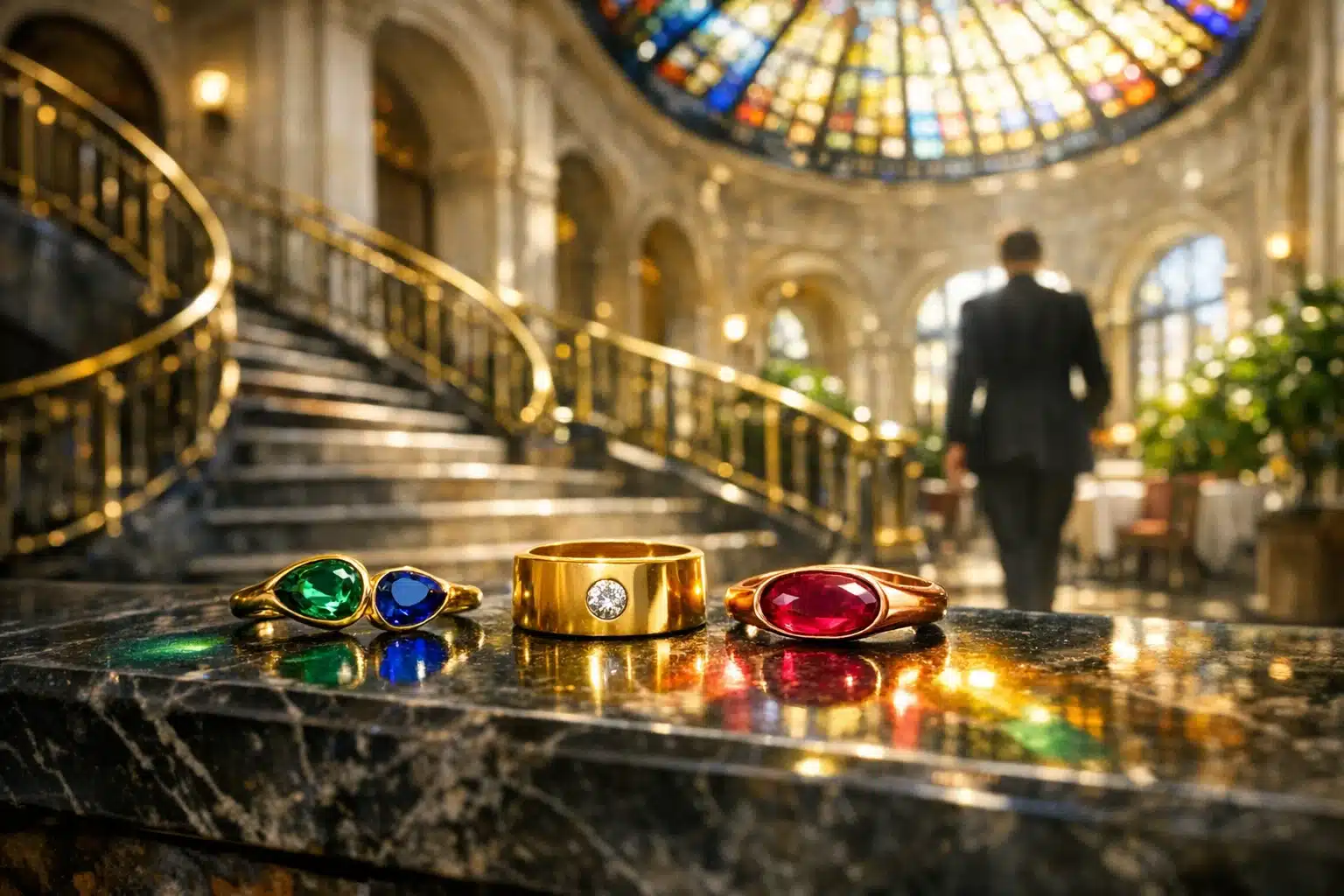
An overview of birthstone rings people are choosing this season, focusing on symbolic meaning, gemstone settings, and versatility.
Several silhouettes stand out. Slim solitaire rings remain popular because they keep the gemstone at center stage while staying easy to stack. Bezel-set designs are gaining ground as well, especially for people who want protection around softer stones or simply prefer a sleek, modern look. East-west settings, where an oval or marquise stone is turned horizontally, offer a subtle twist without making the ring feel theatrical. Toi et moi styles are also appearing more often in birthstone jewelry, especially in rings meant to represent couples, siblings, or parent-and-child relationships.
Color is another reason these rings are attracting attention. Birthstones bring personality in a way that clear stones do not always attempt. Emerald offers a saturated green with strong visual presence, aquamarine adds a lighter, airy note, and garnet introduces warmth that works beautifully in cooler weather wardrobes. Many shoppers are not looking for perfect matching sets anymore; they want a ring that can add a flash of color to denim, knitwear, tailoring, or a simple black dress.
Versatility has become the deciding factor for many buyers. The most chosen rings this season often share a few traits:
• a comfortable, lower setting
• a band width that layers well with plain bands
• a gemstone shape that feels timeless rather than overly trend-driven
• a design that can read as both giftable and self-purchased
In other words, today’s favorite birthstone rings are less about spectacle and more about meaning made wearable. They feel like the kind of jewelry that accumulates life rather than merely decorating it.
The Meaning Behind Birthstone Gemstones
The emotional appeal of birthstone jewelry is rooted in symbolism. Although gemstone meanings vary across cultures and historical periods, the modern birthstone list most shoppers recognize today was standardized in the United States by Jewelers of America in 1912, with some later updates. That standardization helped turn a loose tradition into something more familiar and gift-friendly. Even so, the meaning of a birthstone is not fixed like a scientific law; it is better understood as a long conversation between folklore, trade, religion, and personal interpretation.
That flexibility is part of the charm. A garnet ring may be chosen because January is someone’s birth month, but it may also appeal because garnet has long been associated with loyalty, protection, and constancy. Amethyst, linked with February, is often connected with calm, balance, and clarity. March aquamarine carries an oceanic softness that has traditionally suggested serenity and safe passage. April diamond is commonly tied to endurance, strength, and commitment, while May emerald often symbolizes growth, renewal, and insight.
Summer stones carry their own mood. Pearl, one of June’s birthstones, has long represented sincerity and grace; alexandrite, another June option, is prized for rarity and changeability. Ruby, tied to July, is traditionally associated with vitality, courage, and deep affection. August peridot often suggests brightness and optimism, and September sapphire is frequently linked with wisdom, loyalty, and truth.
Autumn and winter continue that symbolic arc:
• October opal is often connected with imagination, emotion, and individuality
• November topaz or citrine is commonly associated with warmth, abundance, and confidence
• December turquoise, tanzanite, or zircon is often linked with protection, peace, and reflection
These meanings matter because buyers increasingly want jewelry that says something without needing an explanation card attached. A ring can quietly mark a new parent’s journey with a child’s stone, commemorate siblings by pairing gems, or act as a private reminder of a milestone year. The symbolism is not valuable because everyone agrees on one exact definition. It matters because it gives the wearer a language of memory. A small stone on a hand can become a tiny archive: a season, a person, a promise, a new chapter, or a name spoken only in the heart.
Gemstone Settings, Metal Choices, and Why They Matter
A ring’s beauty does not depend on the gemstone alone. Setting style and metal choice shape how the piece wears, how long it lasts, and how casual or formal it feels. This is especially important with birthstones, because durability varies widely. On the Mohs hardness scale, diamond ranks 10, sapphire and ruby rank 9, topaz ranks 8, aquamarine falls around 7.5 to 8, quartz stones such as amethyst are around 7, and garnets often range from 6.5 to 7.5. Opal is much softer at roughly 5.5 to 6.5, while pearl is softer still, usually around 2.5 to 4.5. Those numbers do not tell the whole story, but they do help explain why one ring can thrive in daily wear while another needs gentler treatment.
Protective settings are therefore a major trend for practical shoppers. Bezel settings surround the stone with a rim of metal, making them a strong choice for active lifestyles and for softer gems like opal. Half-bezel designs offer a similar idea with slightly more openness. Flush settings sink the stone into the band, creating a smooth surface that is less likely to snag on clothing. Traditional prong settings still have plenty of fans because they let more light reach the stone and create a classic jewelry profile, but higher prongs may not be ideal for someone who works with their hands or wears knit fabrics often.
Metal changes the personality of a birthstone dramatically. Yellow gold brings warmth to garnet, citrine, and ruby. White gold or platinum can sharpen the cool clarity of aquamarine, blue sapphire, and diamond. Rose gold has become a favorite for morganite-like tones, pearls, and many pink or green stones because it softens the overall look. The choice is not only aesthetic; metal hardness, maintenance, and skin tone preferences also matter.
When comparing settings, a few guidelines help:
• softer stones usually benefit from more coverage
• taller settings create more sparkle but less everyday ease
• wider bands can make delicate stones feel more contemporary
• mixed-stone designs add symbolism, but they require balanced proportions
Think of the setting as the architecture of the ring. It decides whether the gemstone feels protected, elevated, understated, or dramatic. The smartest seasonal choices pair symbolic stones with structures that support real use, which is exactly why bezel solitaires, low cathedral settings, and sturdy stackable bands are getting so much attention.
Everyday Wearable Ring Styles That Still Feel Special
The phrase everyday jewelry can sound plain, yet the best wearable ring styles are anything but dull. They succeed because they fit into routines without fading into invisibility. For birthstone rings, that means finding a design that looks intentional with casual clothes, polished with workwear, and comfortable enough to forget about until someone compliments it. This season’s strongest everyday styles do exactly that by relying on proportion, balance, and thoughtful restraint.
The first standout style is the slim gemstone band. It is easy to wear alone, effortless to stack, and ideal for those who want symbolism without a formal “fine jewelry” look. A narrow band with a small round, oval, or cushion-cut stone can move from morning coffee runs to dinner reservations without feeling out of place. For people who like a curated hand, stackable birthstone rings let them add anniversary bands, plain metal bands, or additional stones over time.
Signet-inspired birthstone rings are another notable direction. These combine the weight and presence of a traditional signet with the color of a gemstone, often using flush or bezel settings. The result feels grounded and contemporary, especially for buyers who prefer jewelry with more visual substance than a delicate solitaire. Cigar bands with a central stone create a similar effect, pairing clean surfaces with a modern silhouette that reads almost architectural.
Three additional styles deserve attention. First, low-profile solitaires remain dependable because they flatter almost every hand and keep the birthstone easy to notice. Second, toi et moi rings translate personal relationships into design by placing two stones side by side. Third, cluster arrangements offer a softer, more textured look that can incorporate family birthstones without becoming overtly sentimental.
When deciding what counts as wearable, lifestyle should lead the decision:
• for hands-on work, choose bezel, flush, or low-set designs
• for frequent stacking, keep the band relatively slim and the stone profile modest
• for occasional statement dressing, a higher setting or halo can still work if it is not your daily ring
• for minimal wardrobes, choose shapes that mix well with plain metal jewelry
A truly wearable birthstone ring does not ask the wearer to reorganize life around it. It joins the rhythm that is already there, adding color, memory, and a small spark of self-expression to ordinary days.
What Today’s Shoppers Should Keep in Mind Before Choosing One
If you are drawn to birthstone rings this season, the best choice will usually be the one that balances sentiment with function. It is easy to fall in love with color first, and that instinct is understandable; gemstones have a way of catching attention before logic has time to speak. Still, the ring that gets worn most often is rarely the one chosen on color alone. It is the piece that matches the wearer’s schedule, comfort preferences, and attitude toward maintenance.
Start with the question of meaning. Are you choosing a ring for your own birth month, for a partner, for a child, or for a milestone that deserves a symbol? Once that is clear, move to practical matters. Someone who types, cooks, lifts weights, works in healthcare, or uses their hands constantly may prefer a low-profile ring with protective edges. Someone building a layered jewelry look may prioritize stackability and a band shape that sits neatly beside existing rings. A gift recipient who rarely wears jewelry may respond best to a straightforward design that feels easy from the first day.
Budget should also be handled honestly. Birthstones vary greatly in price depending on natural versus lab-grown origin, quality, size, treatment, and rarity. Emeralds, rubies, sapphires, and diamonds can become expensive quickly, while garnet, amethyst, citrine, and peridot often offer more approachable entry points. Pearl and opal can be beautiful choices, but they ask for more mindful wear and storage. There is no shame in selecting a smaller stone, a protective setting, or a modest band if it means the ring will actually become part of daily life.
Before buying, consider this quick checklist:
• meaning first, then lifestyle
• durability before dramatic height
• comfort across a full day, not just in the mirror
• metal color that works with the rest of your jewelry
• care requirements you can realistically maintain
For shoppers who want jewelry to feel personal rather than generic, birthstone rings make unusual sense right now. They offer a story without forcing one, style without excessive fuss, and variety without losing emotional clarity. The strongest choices this season are not necessarily the loudest. They are the rings that feel natural on the hand, honest in their symbolism, and flexible enough to keep wearing long after trend language changes. That is what makes them worth considering for anyone who wants a piece that is both beautiful and lived in.