 Artificially generated image
 Top Hyper-Realistic VR Intimacy Tech People Are Exploring
VR intimacy technology is becoming easier to see as a real product category rather than a futuristic side note. Better headsets, responsive haptics, and more convincing spatial audio are pushing digital closeness toward a more immersive form. This matters because users now compare not just visuals, but comfort, privacy, synchronization, and emotional presence. The result is a fast-changing field that mixes engineering ambition with very human questions about connection, trust, and boundaries.
Outline:
– What hyper-realism means in this corner of immersive VR technology
– How headset ecosystems, connectivity, and peripherals affect compatibility
– Which design innovations are shaping comfort and presence
– Why privacy, consent, and data handling deserve close attention
– What trends, costs, and user expectations are likely to define the next phase
An overview of hyper-realistic VR intimacy technology, covering features, hardware compatibility, design innovations, and industry trends.
What Hyper-Realism Means in VR Intimacy Technology
Hyper-realistic VR intimacy tech sits at the intersection of visual computing, haptic engineering, and social design. In simple terms, it tries to make digital interaction feel less like pressing buttons and more like sharing a believable moment inside a responsive environment. That does not mean every product aims for perfect simulation. In practice, the category spans everything from private solo experiences to remote partner platforms, guided emotional environments, and adult wellness systems that sync software with physical feedback devices. The common goal is not just stimulation. It is presence.
That word, presence, matters more than marketing slogans. A system can look impressive in screenshots and still feel flat once a user puts on a headset. Real immersion depends on several layers working together:
– high enough display resolution to reduce visible pixel structure
– steady frame rates, often 90 Hz or higher, to keep motion comfortable
– accurate hand, head, and sometimes body tracking
– spatial audio that places voices and ambient cues in believable positions
– haptic timing that does not lag behind the scene
When those elements line up, the brain fills in gaps surprisingly well. A digital room feels inhabited. A glance from an avatar feels intentional. A simple touch cue, if synchronized correctly, can matter more than an ultra-detailed texture map. That is why immersive VR technology in this space is increasingly measured by integration quality instead of isolated specs.
There is also an important distinction between general VR intimacy technology and its hyper-realistic subset. The broader category includes lighter, stylized, or game-like experiences that prioritize accessibility and lower cost. Hyper-realistic systems push harder on realism through more lifelike rendering, better motion capture, expressive avatars, and peripherals designed for synchronized feedback. Yet realism has limits. Facial animation can still drift into the uncanny valley, wireless latency can interrupt timing, and comfort remains a practical issue during longer sessions.
Think of the current market as a theater still being built while audiences are already buying tickets. Some stages are polished, some are temporary, and some are experimental workshops with exciting ideas but awkward execution. For readers exploring this subject, that context helps separate genuine progress from impressive-looking demos that do not hold up in daily use.
Hardware Compatibility, Platforms, and the Setup Question
Compatibility is where curiosity often meets reality. A person might see a compelling demo online, buy a headset, and then discover that the software, tracking mode, and peripheral support do not line up. In VR intimacy technology, hardware choices matter because the experience is usually built from several layers: the headset, the runtime or app platform, the network connection, the haptic device, and the synchronization method that ties them together.
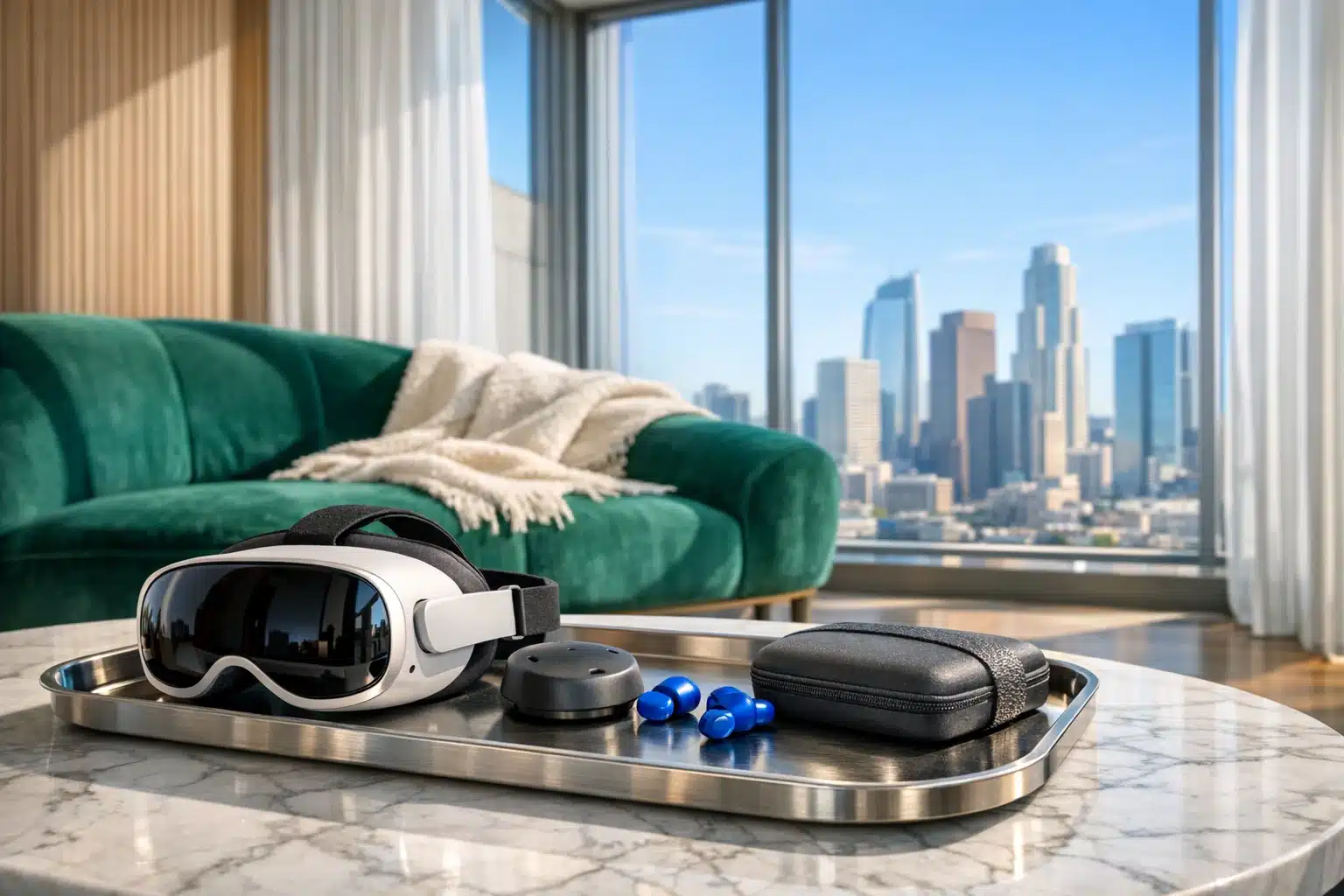
Standalone headsets such as the Meta Quest line have helped widen access because they are easier to set up and do not require a gaming PC for every experience. They are convenient, relatively portable, and increasingly powerful. However, standalone processing still has limits. More advanced scenes, richer lighting, and complex avatar systems often run better through PC VR, where a dedicated graphics card can deliver higher visual fidelity and broader software support. PC-based ecosystems using SteamVR or OpenXR usually offer more flexibility, especially when users want custom environments, third-party tracking, or niche peripherals.
Closed or semi-closed ecosystems introduce another layer of complexity. Some devices are excellent for mainstream gaming or media but support fewer independent tools in the intimacy niche. That does not make them bad hardware. It simply means users should verify software availability before buying. A practical checklist can save frustration:
– Does the headset support the target app natively, through PC streaming, or not at all?
– Is the haptic device recognized through Bluetooth, USB, or a companion bridge app?
– Are updates frequent, or does compatibility break after platform changes?
– Does the system work across regions, subscription tiers, and account types?
Latency is equally important. Visual lag is uncomfortable, but sync lag between scene events and feedback devices is often more damaging to immersion. Wireless streaming has improved, yet crowded Wi-Fi environments can still introduce stutter or timing drift. Wired PC connections are less convenient but usually more predictable. Users exploring remote partner applications should also consider upload quality and router stability, because network inconsistency affects more than image sharpness; it affects the emotional rhythm of the interaction.
Finally, not every peripheral is designed with the same philosophy. Some focus on simple app pairing and broad compatibility. Others chase advanced pattern control, stronger motors, or premium materials while supporting fewer platforms. The best setup is rarely the most expensive one. It is the combination that fits the user’s hardware, privacy preferences, technical patience, and intended use without requiring constant troubleshooting.
Design Innovations Driving Realism, Comfort, and Emotional Presence
If hardware is the skeleton, design is the pulse. The most interesting advances in hyper-realistic VR intimacy tech come from the way developers shape sensory information into something that feels coherent. A crisp display alone does not create closeness. What changes the experience is the choreography between motion, sound, visual framing, interface design, and feedback timing.
Avatar systems are a good example. Early VR characters often felt stiff because expressions, eye focus, and gestures were limited or exaggerated. Newer systems use improved inverse kinematics, hand tracking, facial estimation, and sometimes eye tracking to make digital figures behave in ways that feel more socially legible. When a character’s gaze shifts naturally or when a remote partner’s movements are captured with fewer awkward pauses, users report a stronger sense of “being with” someone instead of merely viewing them. That distinction is central to immersive VR technology.
Haptics are evolving in parallel. Rather than relying only on basic vibration, many products now experiment with multi-point feedback, variable intensity curves, pressure simulation, and scene-linked timing. Some adult wellness devices can sync with interactive content or remote sessions, while other projects explore gloves, sleeves, or seat-based cues. Not every idea becomes practical, but the direction is clear: richer sensation through better coordination, not just stronger output.
Design innovation also shows up in the small details:
– interface menus that stay discreet instead of breaking the mood
– calibration tools that adjust body scale and seating position
– quieter motors and more ergonomic materials
– accessibility options for motion sensitivity, hearing differences, or limited mobility
Audio deserves special attention. Spatial sound can quietly do the work that visuals cannot. A whisper placed convincingly behind the shoulder, a soft room tone that changes with movement, or a subtle echo in a larger virtual space can make a scene feel alive. Developers who understand this often produce more convincing experiences than teams obsessed only with photorealistic skin shaders.
There is also a growing role for AI-assisted interaction, although it remains uneven. Voice models, behavior trees, and adaptive dialogue can make virtual companions feel more responsive, but poorly tuned systems quickly become repetitive or emotionally hollow. The best implementations treat AI as a supporting layer rather than a magic shortcut. In other words, good design in this field feels less like a fireworks show and more like stagecraft: every light, cue, and pause is placed with intention.
Privacy, Consent, and the Human Side of the Technology
The technical conversation around VR intimacy often focuses on realism, but privacy and consent may be even more important in the long run. These systems can collect unusually sensitive information: account details, device IDs, movement patterns, session lengths, preference settings, voice data, and in some cases biometrics such as eye tracking or body motion signatures. On their own, those data points may look harmless. Combined, they can paint a detailed picture of habits, interests, routines, and emotional behavior.
That is why trustworthy design cannot stop at encryption claims on a product page. Users should look for plain-language privacy policies, clear explanations of what is stored locally versus in the cloud, and practical controls that allow deletion, export, or restriction of personal data. Platforms that handle intimate content should also make consent visible in the interface, not hide it in legal text. In remote or multi-user settings, features such as session approval, connection confirmation, personal boundaries, and block tools are not optional niceties. They are basic safety infrastructure.
Useful questions to ask before trying a service include:
– Is voice or movement data retained after the session?
– Can the platform operate under a pseudonym?
– Are remote connections opt-in every time?
– Does the company explain moderation and reporting processes clearly?
– Are firmware and software updates signed and supported consistently?
There is an emotional dimension as well. Hyper-realistic systems can create a stronger feeling of attachment than older digital media because they combine attention, proximity, and responsiveness. That can be positive for long-distance partners or users seeking carefully designed companionship experiences. It can also become complicated when people start expecting human reciprocity from products that are ultimately scripted, algorithmic, or subscription-based. A mature conversation about this market should make room for both possibilities without shaming users or exaggerating benefits.
Age controls, moderation, and responsible labeling also matter. Any platform dealing with intimate environments should maintain strong access policies and clear boundaries around acceptable content. For adults exploring the category, the healthiest approach is often the least glamorous one: read the data policy, review permissions, test comfort settings, and decide in advance what information you are willing to share. In a field built around personal experience, self-protection is not paranoia. It is part of informed use.
Conclusion: Where the Market Is Heading and What Curious Readers Should Watch
For people following the rise of hyper-realistic VR intimacy tech, the biggest story is not a single device or app. It is the gradual convergence of several industries that used to move separately: VR headsets, connected haptics, adult wellness products, AI companions, creator platforms, and telepresence tools. As these segments overlap, users gain more choice, but they also face a noisier market filled with bold promises, subscription bundles, and uneven compatibility.
Several trends are worth watching. First, interoperability is becoming more valuable. Consumers increasingly prefer products that can work across multiple software environments instead of locking them into one ecosystem. Second, comfort and discretion are moving closer to the center of product design. Lighter headsets, quieter components, better materials, and simpler pairing are often more important than speculative features. Third, regulation and platform policy will continue shaping what becomes mainstream, especially where privacy, billing transparency, and age-restricted access are concerned.
Cost remains a practical filter. A basic entry path may involve a standalone headset and simple companion hardware, while more advanced users often add a gaming PC, upgraded tracking, premium peripherals, and paid content services. That step-up can improve realism, but it also introduces maintenance, software fragmentation, and ongoing fees. The smartest buyers do not ask only, “What looks most advanced?” They ask:
– What will I actually use each week?
– Which setup can I support without constant troubleshooting?
– Does the company publish updates and compatibility notes regularly?
– Is the return policy reasonable if the system feels awkward in practice?
For the target audience of this topic, whether you are a tech enthusiast, a curious reader, a long-distance partner, or someone studying digital intimacy as a cultural shift, the takeaway is straightforward. VR intimacy technology is no longer a fringe curiosity, yet it is still maturing. Some experiences already feel polished and thoughtfully engineered. Others are expensive prototypes wearing a glossy coat. The best way to evaluate the space is with equal parts openness and skepticism: appreciate the innovation, examine the safeguards, and choose systems that respect your comfort, data, and expectations. The future here will not be defined by hype alone. It will be defined by products that can earn trust while delivering believable immersion.