 Artificially generated image
 5 Old Household Items That Are Worth Money Today
Before you send that faded lamp, heavy skillet, or floral tea set to the thrift store, give it a minute under good light. Many everyday home objects become valuable not because they are glamorous, but because they capture a maker, era, or design trend collectors actively track. The trick is learning how to notice the small clues: labels, materials, workmanship, and condition. Once you know what to check, a cluttered shelf can start to look a lot more interesting.
Outline: Why Old Household Items Matter More Than They First Appear
An overview of old household items collectors still seek, highlighting vintage design and historical value.
When people think about antiques, they often picture formal dining rooms, glass-front cabinets, or auction houses with velvet ropes. In reality, many sought-after pieces began as practical home goods used every day. A mixing bowl, desk lamp, wooden stool, or silver-backed brush can tell a story about manufacturing, domestic life, and changing taste. That is what makes this topic so relevant: valuable objects are not limited to grand estates. They also sit in attics, linen closets, garages, and inherited sideboards, quietly waiting for someone to notice the details.
Value usually comes from a mix of factors rather than age alone. Collectors and dealers pay attention to rarity, condition, maker, materials, design movement, and demand in the current market. A plain item from 1900 may sell for very little, while a bold mid-century object from the 1960s can attract strong interest because it fits modern interiors. In the same way, a damaged porcelain platter may struggle to sell, but a complete set in a scarce pattern may perform much better. The market rewards objects that are both desirable and intact.
- First, it helps to understand which everyday categories still attract buyers.
- Next, it is useful to compare antiques by era, material, and style.
- Then, you need a practical method for identifying marks, construction, and condition.
- Finally, you should know when to clean, when to leave an item alone, and when to seek an appraisal.
This article follows that path. It looks at old household items that still bring money today, explores collectible home antiques in a broader sense, and explains how to identify valuable antiques at home without relying on guesswork. Think of it as a guided walk through the rooms of an older house, opening drawers and cabinets one by one. Some objects will turn out to be ordinary. A few may be surprisingly desirable. The goal is not to promise hidden riches in every cupboard, but to help you make informed decisions before you donate, discard, refinish, or sell something that may deserve a second look.
Five Old Household Items That Are Often Worth Money Today
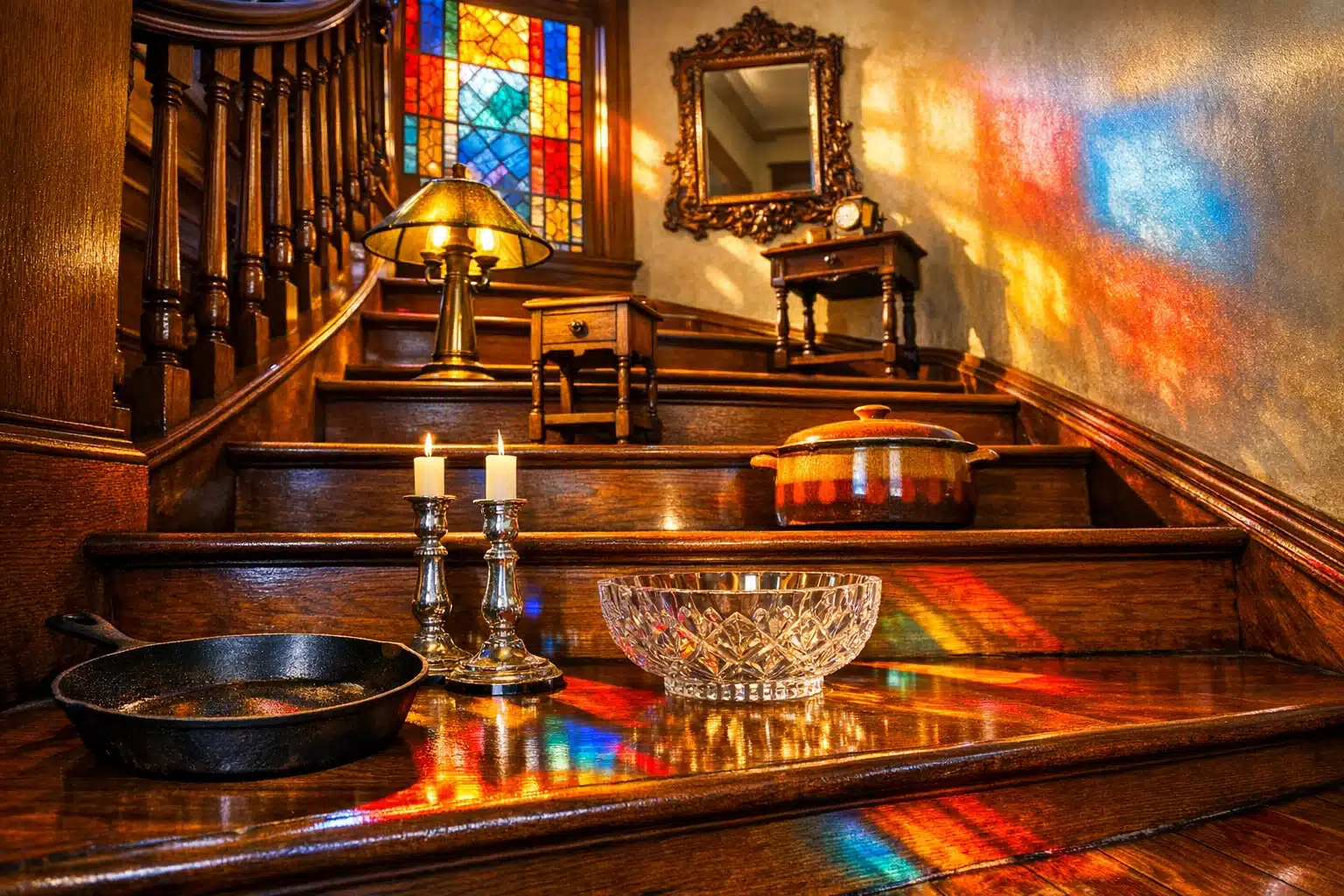
If you want a practical starting point, begin with categories that regularly interest collectors because they combine usefulness, nostalgia, and recognizable design. The first is cast iron cookware. Pans and griddles from well-known American makers such as Griswold and Wagner often attract buyers, especially when the pieces are clearly marked, free of cracks, and have smooth cooking surfaces. Even common examples can have modest resale value, while rare sizes, logos, or lids may do much better. The weight that once made these pieces inconvenient to move is now part of their appeal; people associate them with durability and traditional kitchen craft.
The second category is vintage glass and kitchenware. Mixing bowls, casserole dishes, refrigerator containers, and patterned serving pieces from the mid-twentieth century remain popular because they work both as decor and as functional household items. Collectors pay attention to color, pattern, completeness, and whether a lid or matching set survives. A single bowl may be pleasant but ordinary; a complete nesting set in a sought-after design can be much more appealing. The same rule applies to jadeite-style kitchen glass, milk glass, and colorful barware, where unusual shades and intact decals matter.
Third, lighting can surprise people. Table lamps, sconces, chandeliers, and desk lamps often hold value because they blend utility with style. A brass banker’s lamp, an Arts and Crafts mission lamp, or a ceramic mid-century lamp can interest both collectors and interior designers. Here, originality is crucial. Rewired lamps can still sell, but missing shades, altered bases, or heavy repainting may reduce appeal. Lighting is one of those categories where a single good example can change the look of a room, so demand often stays healthy.
Fourth, silver and silver-plated household wares deserve attention. Tea services, trays, candlesticks, flatware sets, and serving pieces can be valuable for different reasons. Sterling silver has intrinsic metal value and is marked accordingly, while silver plate depends more heavily on design, maker, and completeness. A monogram may reduce appeal for some buyers but not all, especially if the workmanship is strong or the piece fits a specific style. Always separate sterling from plate before assuming anything about worth.
Fifth, small furniture and decorative utility pieces often perform better than oversized formal pieces. Step-back stools, sewing stands, rolling carts, medicine cabinets, and compact side tables are easier to ship and easier to place in modern homes. Buyers today often prefer objects with character and manageable scale. A humble oak stand with original finish may interest more people than a massive dining suite that requires a large house and expensive transport.
- Look for original labels, stamps, pattern names, or impressed marks.
- Check whether sets are complete and whether parts match in color and wear.
- Notice whether the item fits a recognizable design era such as Art Deco, Arts and Crafts, or mid-century modern.
The common thread across all five categories is that they were made to be used, not merely displayed. That practical history is part of their charm. The scratches on a tray or the patina on a pan do not always hurt value; sometimes they make the object feel more authentic, like a household veteran with stories left in the metal and glass.
Collectible Home Antiques: What Categories Hold Lasting Appeal
Beyond the obvious vintage kitchen finds, the broader world of collectible home antiques includes furniture, ceramics, textiles, clocks, folk art, mirrors, storage pieces, and decorative hardware. Not all of these categories perform equally in the market, and that is where comparison becomes useful. In recent years, many collectors have leaned toward pieces that are visually distinctive, functional in smaller homes, and easy to blend with newer decor. That is one reason why a handsome blanket chest, studio pottery vase, or carved wall mirror may draw more attention than a heavy formal suite with missing veneer.
Furniture is still an important category, but style matters enormously. Clean-lined mid-century modern pieces remain popular because they fit apartments and open-plan rooms. Arts and Crafts furniture attracts buyers who appreciate straightforward construction, visible grain, and honest materials. Victorian furniture can be desirable too, though overly large or heavily ornamented examples may appeal to a narrower audience unless they are especially fine or rare. Construction details help separate stronger pieces from ordinary ones: hand-cut dovetails, solid wood secondary surfaces, original pulls, and surviving maker labels all add context.
Ceramics and glass also offer a wide collecting field. Transferware, ironstone, stoneware crocks, art pottery, porcelain figurines, and Depression glass each attract different types of buyers. In these categories, a maker’s mark can dramatically improve certainty and confidence. So can pattern identification. A plain white ironstone pitcher, for instance, may be valued for shape and condition, while a vividly decorated art pottery piece may depend on both the artist and the glaze. Chips, hairlines, and restoration matter a great deal, yet scarcity can sometimes outweigh minor flaws in difficult-to-find examples.
Textiles are another overlooked source of value inside the home. Handmade quilts, hooked rugs, samplers, lacework, and woven coverlets can appeal to collectors of folk art, craft history, and regional traditions. These pieces bring a human touch that factory-made items cannot fully reproduce. However, they are sensitive to fading, staining, insect damage, and careless storage. Provenance can be especially helpful here, because a family note, date, or documented origin may add historical interest.
- Collectible pieces usually combine quality materials with identifiable style.
- Smaller forms often sell more easily because they suit current living spaces.
- Original surfaces, intact decoration, and traceable origins strengthen appeal.
Perhaps the most important comparison is this: old does not automatically mean collectible, and fashionable does not automatically mean antique. The sweet spot is an item that carries age, recognizable design, and enough scarcity to stand out. That could be a farmhouse cupboard, a brass carriage clock, a studio ceramic lamp base, or a handwoven textile folded at the back of a cedar chest. Once you see home antiques as a mix of craftsmanship, utility, and cultural memory, the category becomes much easier to understand.
How to Identify Valuable Antiques at Home Without Guessing
The most reliable way to identify valuable antiques at home is to slow down and inspect each piece like a detective rather than a decorator. Start by turning the object over, opening drawers, removing lids, and checking hidden areas. Marks are often placed where they do not interrupt the design: underneath pottery, inside cabinets, on the backs of frames, beneath lamp bases, or on the underside of silver. A signature, hallmark, patent number, retailer label, or country-of-origin stamp can immediately narrow the date range and maker.
After marks, study materials and construction. Solid wood behaves differently from veneer, brass looks different from plated metal, and hand-blown glass usually reveals different signs than machine-made glass. Furniture made before the early twentieth century may show irregularities in saw marks, hand-fitted joints, or older fasteners. Later mass-produced pieces often look more uniform. In pottery and porcelain, examine glaze texture, mold seams, and whether decoration appears hand-painted, transfer-printed, or applied later. In metalwork, distinguish sterling from silver plate by learning the common markings used in your country.
Condition comes next, and it matters more than many people expect. A hairline crack in a pitcher, a replaced knob on a chest, a rewired lamp, or heavy polishing on silver can affect desirability. That does not mean damaged pieces are worthless, but it does mean you should be realistic. Collectors generally prefer:
- original finish rather than aggressive refinishing
- matching parts instead of later substitutions
- working mechanisms in clocks, lamps, and tools
- minimal restoration that is clearly disclosed
- complete sets rather than isolated leftovers
Documentation also helps. Old receipts, family photos showing the object in use, original boxes, and handwritten notes can support authenticity or at least provide a useful story. For categories such as quilts, silver, and regional pottery, provenance can make research much easier. When comparing your item to others, use sold listings rather than asking prices. Asking prices can be wildly optimistic; completed sales give a better sense of what buyers actually paid.
Finally, learn when not to interfere. Overcleaning can erase evidence of age or damage delicate surfaces. Do not strip furniture, scrub labels off kitchenware, or polish metal until you know what you have. A soft cloth, gentle dusting, and careful handling are usually enough at the identification stage. If an item seems unusual, photograph it clearly from several angles, note its measurements, record any marks exactly, and consult a reputable dealer, auction specialist, or appraiser. Research works best when it is methodical. The goal is not to become an expert overnight, but to avoid the classic mistake of treating a collectible object like ordinary clutter.
Conclusion for Home Treasure Hunters: What to Keep, What to Research, and What to Do Next
Once you have identified promising pieces, the next step is deciding what role they should play in your life. Some items deserve to stay in the family because their personal meaning outweighs the market. Others may be better candidates for sale, especially if they fit active collecting categories and no one at home wants to keep them. That decision becomes easier when you balance three questions: What is it, what condition is it in, and who is likely to want it now?
For homeowners, heirs, downsizers, and casual collectors, a practical plan helps. Group similar items together and sort them into categories such as kitchenware, silver, textiles, ceramics, and furniture. Photograph each piece in daylight, including close-ups of damage and marks. Keep a simple inventory with measurements, notes on family origin, and any research findings. This prevents the process from turning into a blur of half-remembered details and mystery boxes.
- Use auction houses or specialist dealers for rare, signed, or high-quality pieces.
- Use local marketplaces or vintage fairs for practical decorative objects and mid-range finds.
- Consider a professional appraisal when an item appears unusual, finely made, or difficult to compare.
Preservation is just as important as pricing. Store textiles away from direct sunlight, keep wood furniture in stable humidity, and avoid harsh cleaners on painted or gilded surfaces. If you find silver, do not assume immediate polishing is the best move; collectors often prefer honest surface age over an overly bright finish. If you uncover old paper labels, keep them intact. If a chair wobbles, resist the urge to repair it with modern hardware before understanding whether the original joinery matters.
The most useful habit is curiosity backed by patience. A valuable antique at home rarely announces itself with dramatic flair. More often, it sits quietly on a pantry shelf or in a spare room, looking too ordinary to matter. Yet ordinary domestic objects are exactly what many collectors love, because they capture real life from another era. If this topic speaks to you, start small: choose one cupboard, one drawer, or one trunk, and inspect it carefully. You may not discover a fortune, but you will almost certainly gain a sharper eye, a better sense of design history, and a more confident way to judge the things that have been living in your home all along.