Pet Adoption: What to Know Before Bringing a Pet Home
Adopting a pet is exciting, but it is also a decision that reshapes routines, budgets, living space, and daily attention in ways many first-time owners underestimate. The right match can bring years of companionship, while a rushed choice may lead to stress for both the animal and the household. Understanding the adoption process, your responsibilities, and the practical realities of care helps you make a kinder, smarter, and more lasting commitment.
A guide to pet adoption, focusing on preparation, responsibilities, and key considerations.
Outline
- How to choose the right pet based on lifestyle, home, and expectations
- What to prepare before adoption, including costs, supplies, and household planning
- How the pet adoption process usually works at shelters and rescues
- Practical adopting a pet tips for evaluating animals and asking the right questions
- What to expect during the first weeks at home and how to set everyone up for success
Choosing the Right Pet Starts With Honest Self-Assessment
One of the most important parts of pet adoption happens before you fill out a single form: you need to decide what kind of animal truly fits your life. People often begin with emotion, and that is understandable. A playful puppy, a calm older cat, or a pair of curious rabbits can instantly pull at the heart. Still, a successful match depends less on the first spark and more on daily compatibility. A pet should fit your schedule, your home, your energy level, and your long-term capacity for care.
Start by asking practical questions. How many hours are you away from home on a typical day? Do you rent or own, and does your housing allow pets of a certain size or breed? Are there children, elderly family members, or existing animals in the household? Dogs usually require more hands-on exercise, training, and social interaction than cats. Cats are often more independent, but they still need enrichment, litter box maintenance, and medical care. Small mammals, birds, and reptiles may seem easier, yet many have very specific habitat, temperature, and diet requirements that new owners do not expect.
Age matters too. A young dog may need structured training, frequent bathroom breaks, and a lot of patience. A senior dog may be calmer but could require medication or more frequent veterinary visits. Kittens are energetic and entertaining, though they can be destructive while they learn boundaries. Adult cats often show their personalities more clearly, which makes matching easier. Life span is another major factor. Cats commonly live 12 to 18 years, many dogs 10 to 15 years depending on size and breed, and some parrots can live for decades. Adoption is not a short chapter; it is a long relationship.
It helps to make a realistic checklist:
- Energy level you can handle every day
- Time available for feeding, cleaning, exercise, and training
- Budget for food, grooming, vaccinations, and emergencies
- Space for play, rest, and safe confinement if needed
- Tolerance for noise, shedding, mess, and routine changes
Choosing the right pet is not about finding the most impressive or fashionable animal. It is about finding the one whose needs and temperament fit naturally into your life. When the match is thoughtful, adoption feels less like a gamble and more like the beginning of a steady, rewarding bond.
Prepare Your Home, Budget, and Routine Before You Apply
Preparation is often what separates a smooth transition from a chaotic one. Before adoption, it helps to think like both a caregiver and a problem-solver. Your home may feel ready to you, but from a pet’s perspective it can be full of hazards, confusion, and temptation. Electrical cords look chewable, houseplants can be toxic, trash bins smell interesting, and open doors look like opportunities. A little preparation can prevent accidents and reduce stress in the first days.
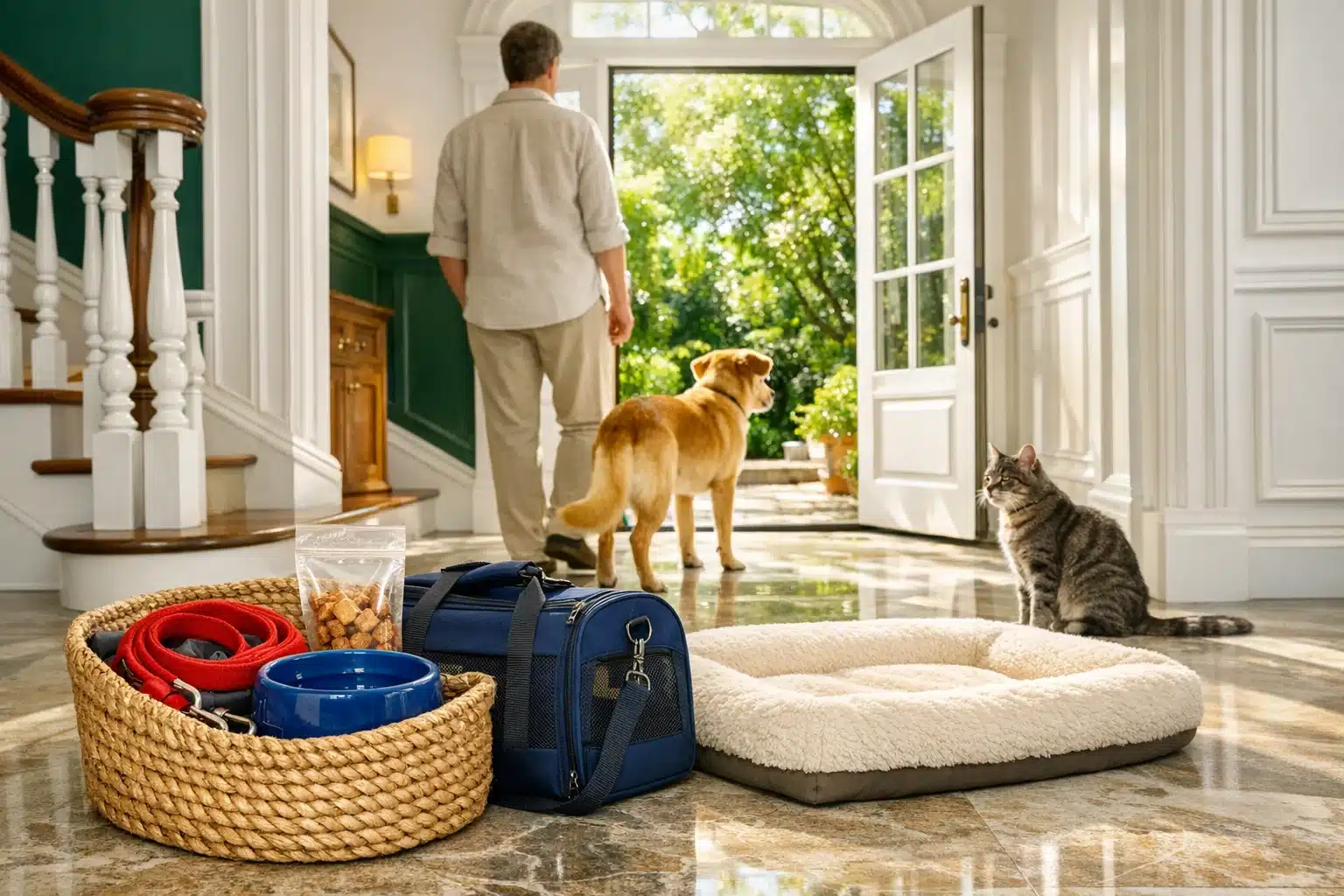
Begin with the physical setup. Dogs need a sleeping area, food and water bowls, a leash, a collar or harness, identification tags, waste bags, and usually a crate or secure resting space. Cats need a litter box, litter, food and water dishes, scratching surfaces, a carrier, and quiet places to hide and rest. Small pets may require species-specific housing, bedding, chew items, heat sources, or filtration systems. If you are adopting from a rescue, ask for a supply list based on the exact animal you are bringing home.
Money deserves equal attention. Adoption fees are only the starting point. Ongoing costs often include food, parasite prevention, vaccinations, annual exams, grooming, training classes, litter or bedding, toys, and replacement supplies. Emergency care can be expensive, and even healthy pets sometimes need unexpected treatment. Many shelters help by including initial vaccines, spay or neuter services, and microchipping in the adoption fee, which adds value, but it does not eliminate future expenses. If your budget is already stretched, it is wise to pause and plan rather than hope things will work themselves out.
Routine is another hidden factor. Pets do best when feeding times, bathroom breaks, exercise, and rest happen with some consistency. If your schedule changes daily, think about how the animal will be cared for during long work shifts, travel, or family emergencies. Talk openly with everyone in the household about responsibilities. Good intentions are common; shared follow-through is less automatic.
Useful preparation steps include:
- Confirm landlord rules, pet deposits, and size or breed restrictions
- Set aside a starter budget and an emergency fund
- Book or research a veterinarian before adoption day
- Pet-proof rooms where the animal will spend the most time
- Decide who handles feeding, walks, training, and cleaning
Think of preparation as setting the stage before the main character arrives. A calm, safe environment tells a newly adopted pet, in the quietest possible way, that this home is ready to receive them.
Understanding the Pet Adoption Process Step by Step
The pet adoption process can vary by organization, but most shelters and rescues follow a similar path designed to protect both animals and adopters. While some people expect to walk in, choose a pet, and leave the same hour, many organizations use an application and screening system to make better long-term matches. This is not meant to discourage you. It is a way to reduce returns, prevent neglect, and place animals in homes where they are likely to thrive.
The first step is usually research. You may visit a municipal shelter, a nonprofit rescue, a foster-based rescue group, or a breed-specific organization. Each has a different structure. Shelters often have a wide range of animals and may move quickly due to space limits. Foster-based rescues can sometimes provide more detailed behavior information because the animal has lived in a home. Breed-specific rescues may help if you know exactly what type of dog or cat fits your lifestyle, though they may still ask detailed questions about your experience.
After identifying a potential match, you will often complete an application. Common questions cover housing, work schedule, previous pet experience, current animals, preferred activity level, and your plan for veterinary care. Some groups request references, proof of landlord approval, or information about fenced yards for certain dogs. Then comes the meet-and-greet. This stage matters more than many people realize. It gives you a chance to observe the animal’s comfort level, energy, and communication style. If you already have a dog, the rescue may arrange an introduction in neutral space.
Some organizations perform home visits, either in person or virtually. Others discuss safety plans instead, such as where the pet will sleep or how introductions to other pets will be managed. If approved, you sign an adoption contract, pay a fee, and receive records that may include vaccination history, sterilization details, microchip information, and medication notes. Some groups offer post-adoption support or short trial periods, which can be especially helpful for first-time adopters.
A typical adoption path may look like this:
- Research the organization and available animals
- Submit an application
- Speak with staff or volunteers
- Meet the animal, sometimes more than once
- Complete approval steps and review medical records
- Pay the fee and take the pet home with clear aftercare guidance
The process may feel slow when your heart is already invested, but patience can save disappointment later. A good shelter or rescue is not just placing pets; it is building durable matches between animals and people.
Adopting a Pet Tips for Making a Confident and Compassionate Decision
When you finally meet an animal you like, it is easy to let emotion take the lead. A wagging tail, a curious nose against the kennel gate, or a cat that leans into your hand can make the decision feel obvious. But smart adoption combines warmth with observation. The goal is not to find the “perfect” pet, because no such creature exists. The goal is to find a pet whose needs, habits, and personality are a workable fit for your home.
One of the best adopting a pet tips is to watch before interacting. Notice how the animal responds to new sounds, unfamiliar people, and handling. Is the dog frantic, relaxed, shy, or overstimulated? Does the cat hide, observe calmly, or seek contact? A single meeting does not reveal everything, especially in a shelter environment where stress can alter behavior, but it does provide clues. Ask whether the animal has lived in foster care, because behavior in a home is often more informative than behavior in a kennel.
Ask direct questions and take notes if needed. Has the pet lived with children, cats, or other dogs? Are there known fears, such as thunderstorms, crates, car rides, or strangers? What food is the animal currently eating? Has any training started? Is the pet house-trained, litter trained, or still learning? If medical issues exist, ask what they mean in daily life rather than only reading the diagnosis. For example, mild allergies, old injuries, or dental needs may be manageable, but you should know the expected care in advance.
Here are a few practical tips that help people avoid common mistakes:
- Do not adopt based on appearance alone
- Do not ignore size, strength, or exercise needs
- Do not assume a young child will handle major caregiving duties
- Do not rush if the first meeting feels uncertain
- Do consider adult and senior pets, which can be wonderfully stable companions
It also helps to understand that some excellent pets do not make dazzling first impressions. The quiet dog in the back of the kennel may blossom in a calm home. The older cat curled like a comma in a blanket may become the gentlest shadow you have ever had, following your morning coffee from room to room with dignified patience. Adoption rewards people who can look beyond the loudest moment and imagine everyday life. Confidence comes not from speed, but from asking thoughtful questions, listening carefully, and choosing with both kindness and realism.
The First Weeks at Home and a Practical Conclusion for Future Pet Adopters
The day you bring a pet home often feels joyful, but the first few weeks are really a period of adjustment rather than instant harmony. Many animals need time to decompress. A dog may seem subdued at first and become more energetic later as confidence grows. A cat may hide under a bed for several days before exploring at night. These early behaviors are normal. The main job during this phase is to create structure, safety, and predictability.
Start small. Limit access to the whole house at first, especially for dogs, kittens, or nervous animals. Give your new companion a quiet place to retreat without being followed or handled constantly. Keep feeding times regular, offer fresh water, and establish bathroom or litter routines immediately. For dogs, frequent outdoor breaks can prevent accidents and help create clear patterns. For cats, place the litter box in a low-traffic area and keep it consistently clean. Book a veterinary appointment soon after adoption if the rescue has not already done so, both to confirm health status and to establish care with a clinic you trust.
Training and relationship-building should begin gently. Use rewards, repetition, and calm cues rather than punishment. Pets learn faster when they feel secure. If there are children in the home, teach them how to interact respectfully: no grabbing, cornering, or disturbing the animal while eating or resting. If there are existing pets, introductions should be gradual and supervised. A slow start can feel tedious, but it often prevents serious conflict later. For dogs, short walks, simple games, and brief training sessions create connection. For cats, wand toys, climbing spaces, and quiet affection help build confidence.
New adopters should also expect some imperfect moments. There may be chewed items, lost sleep, nervous pacing, litter scatter, or a few training setbacks. None of this means you chose badly. It usually means an animal is learning a new map of the world. Consistency matters more than intensity. Small, repeated routines are what turn a house into a home.
For anyone considering adoption, the clearest conclusion is this: choose carefully, prepare thoroughly, and give the relationship time to settle. The right pet is not simply the animal you fall for in one moment, but the one you can responsibly care for through ordinary weekdays, unexpected costs, and changing seasons of life. If you approach adoption with patience and honesty, you are far more likely to create the kind of home every rescued animal deserves.