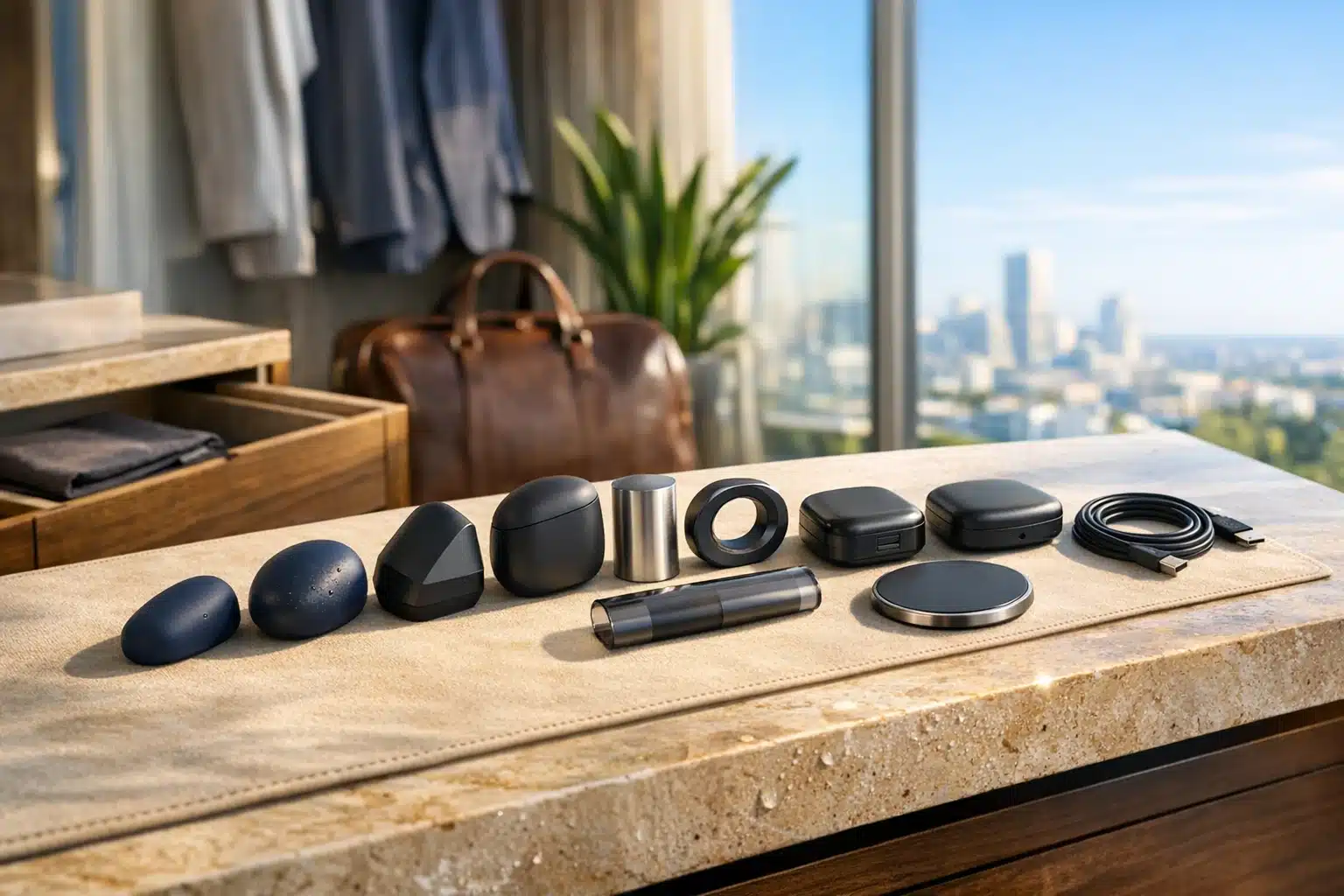
Ultimate Guide: Top 10 Male Intimate Devices Compared
Choosing a male intimate device can be surprisingly complicated, because comfort depends on more than flashy packaging or a long feature list. The smartest comparison starts with three practical questions: what materials touch the body, how the motorized motion behaves, and whether the design stays quiet, compact, and easy to store. Get those basics right, and shopping becomes less awkward, less wasteful, and far more useful.
Article Outline
This guide begins with material safety, moves into automated motion and performance, then examines discreet design in daily life. After that, it compares ten common device categories by use case and budget, before closing with a practical buyer-focused conclusion. The goal is simple: help adult readers make informed choices based on comfort, cleanliness, privacy, and long-term value rather than gimmicks.
- Why material choice affects hygiene, durability, and skin comfort.
- How motors, patterns, app controls, and battery systems influence performance.
- Which discreet design details matter most at home, in shared spaces, and while traveling.
- How ten broad device types compare across price points and priorities.
- What adult buyers should check before purchasing their first or next device.
Material Safety: The Foundation of Comfort, Hygiene, and Long-Term Value
When people compare intimate devices, they often jump straight to features, speed settings, or smart connectivity. That is understandable, but it skips the first issue that should guide every decision: what the product is actually made from. Material safety matters because these devices are used closely, cleaned repeatedly, and expected to remain comfortable over time. A well-designed motor cannot rescue a poor material choice. In practical terms, buyers should pay close attention to whether the device uses silicone, ABS plastic, metal components, TPE-style soft compounds, or a blend of several materials. Each comes with trade-offs in texture, maintenance, durability, and cost.
Silicone is widely preferred in adult wellness products because it is typically non-porous, flexible, and easier to clean than many softer alternatives. That said, the phrase medical-grade is often used loosely in consumer marketing, so buyers should not treat it as a magical badge on its own. What helps more is a combination of clues: transparent product descriptions, clear cleaning instructions, stated material composition, and a manufacturer that explains how the item should be stored and maintained. ABS plastic, often used for outer shells or rigid structural parts, can also be a sensible choice because it is durable, lightweight, and usually easy to wipe down. TPE and similar soft elastomers can feel plush and appealing, but they are often more porous and may need more careful cleaning, drying, and replacement schedules.
There are also smaller signs that reveal whether a product was built thoughtfully. A strong chemical odor can indicate lower-quality compounds or residues from manufacturing. Visible seams, rough molding lines, flaking finishes, or tacky surfaces are all warning signs, especially in products meant for repeated close contact. Waterproofing claims deserve scrutiny too. If a device states IPX7, that generally means it can handle temporary immersion under defined conditions, while splash-resistant models may only tolerate light rinsing. Buyers should never assume all washability claims mean the same thing.
- Look for clearly disclosed materials rather than vague phrases.
- Check whether the design can be disassembled for cleaning.
- Follow lubricant compatibility instructions from the maker.
- Store the device dry, dust-free, and away from extreme heat.
In the end, material safety is less about fear and more about common sense. A device should feel stable in the hand, smell neutral, clean up without drama, and hold its texture after repeated use. Think of it like buying cookware or headphones: if the materials are wrong, the experience always reminds you. If the materials are right, the product fades into the background and simply does its job well.
Automated Motion: How Smart Mechanics Separate Useful Devices from Gimmicks
Once materials pass inspection, automated motion becomes the next big differentiator. This category covers more than vibration alone. Depending on the product type, automated motion can include pulsing, oscillation, rotation, pressure changes, adaptive patterns, or app-controlled routines. On paper, a long list of modes can look impressive. In actual use, however, quality comes down to how smooth, consistent, and controllable those movements feel. Many buyers discover that ten poorly tuned patterns are far less satisfying than three well-calibrated ones. The best systems offer enough range to personalize the experience without turning the device into a puzzle box.
Motor quality matters here more than raw speed. A stronger motor with good stall resistance can maintain performance under pressure, while a weaker motor may sound busy yet deliver little beyond surface buzz. This is why two devices that both advertise multiple intensity levels can feel completely different. One may offer gradual, usable transitions from gentle to powerful; another may jump awkwardly from too mild to too intense. Frequency and amplitude also shape the result. Higher frequency can feel sharper and faster, while broader motion may feel deeper and more substantial. These are not merely technical footnotes. They affect whether a device feels refined or chaotic.
Battery and control systems deserve equal attention. A runtime of 60 to 120 minutes is common in rechargeable products, but actual endurance varies by motor strength, heating features, and wireless functions. USB-C charging is increasingly popular because it is convenient and easier to replace than proprietary cables. Bluetooth or app-based control can be useful for personalization, firmware updates, and custom routines, but buyers should review privacy settings and account requirements before assuming smart features are automatically better. Some users love data-driven customization. Others simply want two buttons and predictable behavior.
Noise is another often-overlooked piece of automated motion. Marketing terms like whisper quiet can be slippery unless the brand explains testing conditions. As a rough everyday reference, 40 to 50 dB is often perceived as quiet-room territory, while 55 to 65 dB may resemble ordinary conversation. Housing design, motor mounts, and the way a device rests on surfaces can all change the sound profile. A device that hums softly in the hand may rattle loudly on a hard table.
- Favor smooth speed transitions over inflated mode counts.
- Check charging method, battery life, and travel-lock options.
- Consider whether app features add real value or just complexity.
- Read user feedback about noise under real-world conditions.
Good automation should feel less like a gimmick and more like a well-tuned appliance: dependable, intuitive, and easy to adjust. When motion technology is done right, it disappears into the experience. When it is done poorly, every button press feels like negotiating with a stubborn machine.
Discreet Design: Privacy, Portability, and Everyday Practicality
Discreet design is often misunderstood as a purely visual concern, as if a neutral color or minimalist shape is enough. In reality, discretion is a full-system quality. It includes how the device looks, how loudly it operates, how easily it can be stored, how obvious the packaging is, and even whether the charging cable or app name invites unwanted questions. For many adult buyers, especially those living with roommates, partners, or family members, discreet design is not a bonus feature. It is the difference between a product that fits comfortably into real life and one that ends up buried in a drawer after a week.
Appearance still matters, of course. Devices with sleek contours, muted finishes, and restrained branding tend to feel less self-conscious to own. Some resemble premium grooming tools or compact wellness gadgets rather than novelty products. That subtle approach can make a first purchase feel far less intimidating. But visual discretion only goes so far if the product is bulky, difficult to assemble quietly, or packaged in a large box with obvious branding. Thoughtful brands understand this and pay attention to shipping labels, protective cases, storage pouches, and travel locks that prevent accidental activation.
Ease of cleaning is also part of discreet design, because nobody wants a maintenance routine that takes longer than the device itself. A model that opens quickly, dries efficiently, and reassembles without guesswork is more likely to be used consistently. Drainage channels, removable sleeves, and smooth interior surfaces can all reduce cleanup time. The same is true for charging. Magnetic chargers may look elegant but can disconnect easily; proprietary cables are easy to lose; exposed ports need proper sealing if waterproofing is advertised. USB-C has become a practical favorite because it blends convenience with familiarity.
Noise management deserves special mention. Quiet products do not merely protect privacy; they reduce tension. There is a big difference between a soft internal hum and a hollow plastic buzz that turns a nightstand into an amplifier. Weight distribution, shell thickness, and anti-slip materials all influence how sound travels. Some devices are technically not much quieter in measurements, yet feel more discreet because the pitch is lower and less sharp. That is the kind of nuance spec sheets rarely capture.
- Choose compact shapes if storage space is limited.
- Look for matte finishes that resist dust and fingerprints.
- Check for travel lock, pouch, and low-profile charging solutions.
- Prioritize easy disassembly if fast cleanup matters to you.
The most discreet products behave like good design in any category: they respect your space, solve small annoyances before you notice them, and never demand attention they have not earned. In a crowded market, that quiet competence is surprisingly rare.
Comparing 10 Common Device Types by Budget, Features, and User Priorities
Explore the best in male wellness: a hype-free guide to top-rated devices, comparing smart tech, comfort, and performance for every budget. That idea becomes much more practical when you stop hunting for one universally perfect product and instead compare broad device types. Different buyers value different things. A first-time shopper may prioritize simplicity and low maintenance, while a tech-focused user may care more about programmable routines, app control, and richer automation. Price matters too, but spending more only makes sense when the added features improve comfort, convenience, or durability for your specific use case.
Here is a grounded way to think about ten common categories:
- Basic manual sleeve: lower cost, simple to use, but depends entirely on manual control.
- Textured upgrade sleeve: adds variety, though material quality varies widely at entry level.
- Compact vibrating unit: portable and easy to store, often good for buyers with limited space.
- Warming model: adds comfort for some users, but heat-up time and battery drain should be checked.
- Oscillating device: often offers more mechanical complexity and a more dynamic feel than standard vibration.
- Pressure-adjustable model: useful for users who want more customization without full app integration.
- App-connected smart unit: strong on personalization, but privacy policies and software stability matter.
- Dual-motor performance model: can create broader motion range, though it may add noise and cost.
- Travel-focused premium model: designed for storage and discretion, often with better cases and locks.
- Modular easy-clean system: ideal for buyers who prioritize hygiene, maintenance, and longer-term usability.
At the budget end, value usually comes from simplicity. Buyers can often get acceptable comfort and straightforward operation, but they should watch for vague materials, weaker motors, and shorter product lifespans. Mid-range devices tend to be the sweet spot for many adults because they improve in the areas that most affect everyday ownership: better shell construction, smoother controls, stronger waterproofing, and quieter operation. Premium products justify their price only when the engineering is noticeably better. That may mean refined motor tuning, durable internal components, truly convenient cleanup, or privacy-minded software design.
The main lesson is that comparison works best when tied to real priorities rather than abstract prestige. Ask what matters most: softness, compact size, automated variety, easier cleaning, quieter operation, or smart controls. A product can rank highly in reviews and still be wrong for your situation. The best match is the one that fits your budget, respects your privacy, and performs consistently enough that you do not feel tempted to replace it after a month.
Final Thoughts for Adult Buyers: A Practical Checklist Before You Purchase
If you have read this far, the good news is that the market becomes far less confusing once you sort products by fundamentals instead of slogans. Material safety tells you whether a device is likely to remain comfortable and hygienic. Automated motion tells you whether the product will feel refined or clumsy after the novelty wears off. Discreet design tells you whether it will fit your living situation, your storage habits, and your patience for maintenance. Those three pillars can prevent the most common buying mistakes, especially for first-time shoppers who are understandably trying to balance curiosity, privacy, and value.
Before buying, it helps to match the product to your lifestyle rather than an imagined ideal version of yourself. Someone in a shared apartment may prioritize low noise and compact storage above all else. A frequent traveler may want a sturdy case, travel lock, and dependable USB-C charging. A detail-oriented buyer may care more about app customization, firmware support, and stronger waterproofing. And many adults simply want a device that is easy to clean, easy to store, and easy to use without reading a manual that feels like a tax form.
- Confirm the exact materials and read the cleaning instructions in full.
- Check whether the controls are intuitive enough for your preferences.
- Look for realistic battery claims and clear charging details.
- Review dimensions, weight, and storage accessories before ordering.
- Read independent user feedback for comments on noise and durability.
- Favor honest descriptions over inflated claims or miracle language.
There is also nothing wrong with staying conservative on a first purchase. A moderately priced device with good materials, simple controls, and discreet construction often delivers a better experience than a premium model overloaded with features you may never use. In many categories, reliability ages better than novelty. A quiet motor, a washable design, and a storage pouch can matter more in month three than fifteen preset patterns ever did on day one.
For the target audience of this guide, the smartest purchase is rarely the flashiest one. It is the device that respects your body, your space, and your budget while performing consistently enough to earn repeat use. If you compare products through that lens, you are far more likely to choose something that feels thoughtful, not impulsive, and useful long after the product page has faded from memory.